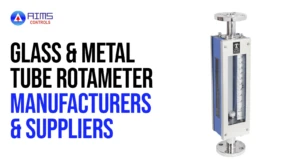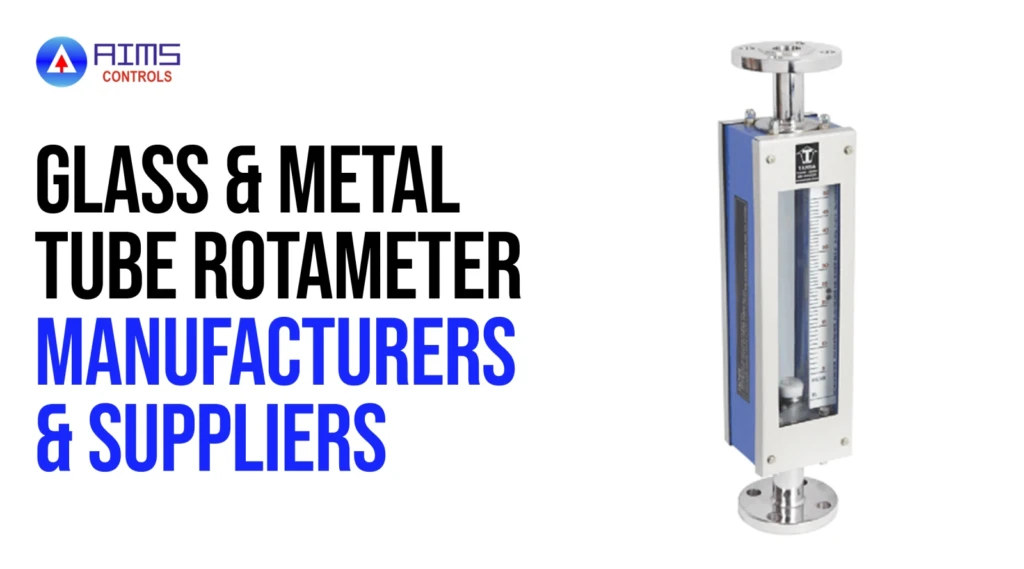
Sourcing a rotameter is not just about picking a flow range off a catalog page. The manufacturer determines tube and float quality, calibration accuracy, documentation, and how consistently the same specification performs order after order. For engineers and procurement teams buying glass tube or metal tube rotameters, evaluating the manufacturer’s capability matters as much as the product datasheet itself. This article looks at what to check when selecting a glass tube rotameter manufacturer or metal tube rotameter manufacturer, and how to evaluate a rotameter supplier for industrial procurement.
Glass Tube Rotameter Manufacturers
A glass tube rotameter manufacturer’s capability shows up in details that are easy to overlook on a spec sheet. Tube quality affects both readability and mechanical durability under normal handling and process conditions. Float material and shape need to match the fluid being measured, since the wrong float geometry produces poor repeatability even when the tube itself is fine. Scale engraving and calibration accuracy determine whether the reading in the field matches the reading during factory testing.
Manufacturers also differ in how many flow-range and connection options they carry as standard versus how much needs custom engineering. A manufacturer with a wider standard range typically means shorter lead times for common applications, while niche ranges or unusual connections may require more coordination. Buyers should also ask how the manufacturer tests each unit before dispatch, and whether calibration certificates or test reports are issued as standard practice or only on request. For background on how rotameter types and float positioning affect selection, see this guide on rotameter types and selection. Consistency between batches same tube supplier, same float tolerances, same calibration method is often the difference between a manufacturer that is reliable for repeat orders and one that is not.
What to Check When Choosing a Glass Tube Rotameter Manufacturer
- Tube quality: clarity, wall thickness, and resistance to handling damage
- Float and component quality: correct material and shape for the process fluid
- Scale accuracy: clear engraving and calibration traceable to the stated flow range
- Connection options: threaded, flanged, or push-fit as required by the application
- Available flow ranges: standard ranges versus ranges needing custom calibration
- Calibration and testing: method used and whether reports are provided
- Documentation: test certificates, material certificates, and datasheets
- Batch consistency: whether repeat orders match the original unit’s performance
Metal Tube Rotameter Manufacturers
Metal tube rotameters are typically specified where pressure, temperature, or fluid opacity rule out a glass tube. A metal tube rotameter manufacturer needs to demonstrate more than fabrication skill; the construction material has to suit the process fluid and operating conditions, and the internal float has to be compatible with both the fluid and the pressure it will see in service.
Process connection type and size should match existing piping without requiring field modification, and manufacturers should be able to confirm pressure and temperature ratings for the specific configuration ordered, not just for the product line in general. Output type matters too: some applications only need a local indicator, while others require a transmitter output for integration with a control system, which changes what the manufacturer needs to build and test. Testing for metal tube units usually goes beyond calibration to include pressure or leak testing, particularly for units going into closed-loop or hazardous service. A manufacturer’s flow measurement solutions page is a reasonable place to confirm what construction materials and connection types are offered as standard before requesting a custom build.
What to Check When Choosing a Metal Tube Rotameter Manufacturer
- Material selection: construction material rated for the process fluid and environment
- Pressure and temperature requirements: confirmed for the specific unit, not just the general range
- Process connection: type and size matching existing installation
- Float and material compatibility checked against the actual fluid, not a generic fluid category
- Calibration and testing, including pressure or leak testing where applicable
- Documentation: material test certificates and calibration reports
- Customization: output type, mounting, and scale configuration options
Glass Tube vs Metal Tube Rotameter Manufacturers: What Buyers Should Compare
The choice between a glass tube and metal tube supplier depends less on which instrument is “better” and more on which manufacturer can support the actual operating conditions and documentation requirements.
| Factor | Glass Tube Manufacturer | Metal Tube Manufacturer |
| Construction | Borosilicate glass tube, visual float reading | Metal body, indicator or transmitter output |
| Typical operating limits | Lower pressure and temperature | Higher pressure and temperature capability |
| Customization | Float, scale, and connection variants | Material, connection, and output variants |
| Testing focus | Calibration and visual inspection | Calibration plus pressure/leak testing |
| Documentation | Calibration certificate | Calibration and material certificates |
| Procurement consideration | Simpler installations, direct reading | Process integration, output signal needs |
Rotameter Manufacturing and Quality Checks
Quality control at the manufacturing stage should cover the instrument from incoming material to final dispatch. This starts with inspection of tube or body material and float components against specification, followed by assembly checks to confirm fit, alignment, and connection integrity.
Calibration is verified against a known flow reference, and the scale is checked to confirm it matches the calibrated range before the unit leaves the floor. For metal tube units carrying pressure ratings, leak or pressure testing is typically part of the final checks. A visual inspection for surface finish, engraving clarity, and connection condition should be the last step before a unit is approved for dispatch. Manufacturers who document each of these stages rather than relying on a single end-of-line check tend to produce more consistent units across repeat orders. This is worth confirming directly with a supplier’s manufacturing capabilities rather than assuming it from a general product listing.
Customization Options from a Rotameter Manufacturer
Standard rotameters cover a wide share of applications, but some requirements call for configuration beyond the catalog specification. Common customization requests include non-standard flow ranges, alternate process connections, tube or body material changes for compatibility with specific fluids, float material substitutions, scale units or dual-scale configurations, and mounting arrangement changes for panel or in-line installation.
It’s worth being clear that not every manufacturer offers every type of customization, and lead times for custom units are generally longer than for standard configurations. Buyers should confirm which specific customizations a manufacturer can support for their application rather than assuming broad customization capability from general marketing language.
How to Evaluate a Rotameter Supplier for Industrial Procurement
Beyond the manufacturing side, the supplier relationship affects how procurement actually plays out over time. A supplier’s product range indicates whether they can support both current and likely future requirements without switching vendors. Manufacturing capability and in-house quality control reduce dependency on third-party fabrication, which often affects both lead time and consistency.
Calibration and testing practices should be verifiable, not just claimed; ask for sample certificates or test reports from previous orders. Documentation matters for audits and regulatory compliance, so confirm what paperwork accompanies each shipment as standard. Technical support before and after the sale, helping confirm the right configuration and assisting if an installed unit needs troubleshooting, is a practical indicator of supplier reliability. Lead time consistency across multiple orders, rather than just the first one, shows whether a supplier can be counted on for repeat business. After-sales support, including spare parts availability and recalibration services, rounds out what a procurement team should evaluate before committing to a supplier.
Why Choose AIMS Controls for Rotameters
AIMS Controls is involved in the manufacturing, exporting, trading, and distribution of process control and measuring instruments. Its product portfolio includes flow measurement instruments and rotameters, making its capabilities relevant for businesses sourcing industrial flow measurement solutions.
Key factors buyers can consider when evaluating AIMS Controls include:
- Manufacturing Capability: AIMS Controls operates as a manufacturer and supplier of process control and measuring instruments, supporting industrial instrumentation requirements.
- Flow Measurement Portfolio: Its flow measurement products include rotameters and other flow-measuring technologies, giving buyers access to multiple instrumentation options from one source.
- Quality-Focused Manufacturing: The company highlights testing of its products against national and international standards, including IS, EN, ASME, and JIS.
- Industrial Instrumentation Expertise: AIMS Controls works across several instrumentation categories, including flow, pressure, level, temperature, instrumentation fittings, and valves and manifolds.
- Wide Industry Coverage: Its instrumentation solutions are intended for industrial sectors with process measurement and control requirements, supporting different project and procurement needs.
- Product Range: Along with rotameters, its portfolio covers different flow measurement technologies, allowing buyers to evaluate suitable instruments based on their process requirements.
- Technical Support: Buyers can review the company’s about AIMS Controls information to understand its background and instrumentation focus.
- Direct Product Enquiry: Businesses requiring a glass tube or metal tube rotameter can contact AIMS Controls with their required flow range, process conditions, connection details, and quantity.
For buyers comparing glass tube rotameter manufacturers and metal tube rotameter manufacturers, these factors can be considered alongside product specifications, testing, documentation, configuration requirements, and overall supply capability.
Industries and Procurement Requirements
Reliable rotameter sourcing matters across sectors where flow measurement is part of routine process monitoring, including chemical processing, water and wastewater treatment, pharmaceuticals, and general industrial manufacturing. In each of these, procurement requirements tend to center on matching the correct tube type, material, and connection to the process fluid and conditions, along with documentation needed for internal quality or compliance records.
FAQs
What should I check before choosing a glass tube rotameter manufacturer?
Confirm tube and float quality, available flow ranges, connection options, calibration method, and whether test documentation is provided with each unit.
How do I select a metal tube rotameter manufacturer?
Check construction material compatibility with your fluid, pressure and temperature ratings for your specific configuration, process connection type, and available output options.
What information should I provide to a rotameter manufacturer?
Share the fluid type, required flow range, operating pressure and temperature, process connection details, and whether a local indicator or transmitter output is needed.
Can rotameter manufacturers provide customized configurations?
Many manufacturers offer customization such as flow range, connection type, material, and scale configuration, though the specific options vary by manufacturer and should be confirmed directly.
What quality checks should a rotameter supplier perform?
Component inspection, assembly verification, calibration against a known reference, scale accuracy checks, and pressure or leak testing for metal tube units where applicable.
What documents should I request from a rotameter supplier?
Calibration certificates, material test certificates where relevant, and product datasheets confirming the specification ordered.
How can I compare different rotameter manufacturers?
Compare product range, manufacturing and testing practices, documentation standards, customization capability, lead time consistency, and after-sales support.
Source Glass & Metal Tube Rotameters from the Right Manufacturer
Choosing a rotameter manufacturer is about more than confirming a part is in stock. Manufacturing quality, correct configuration for your process conditions, calibration and testing practices, documentation, and the ability to support customization all affect whether the instrument performs reliably over time. Consistent supply across repeat orders is equally important for procurement planning. If you’re sourcing glass or metal tube rotameters, speak with the expert team at AIMS Controls with your flow range, process conditions, connection requirements, and order quantity to discuss the right configuration for your application.